Wine Food Pairing Made Simple for Antelope Valley Dinners |
A practical guide to matching wine with local restaurant meals without memorizing rules |
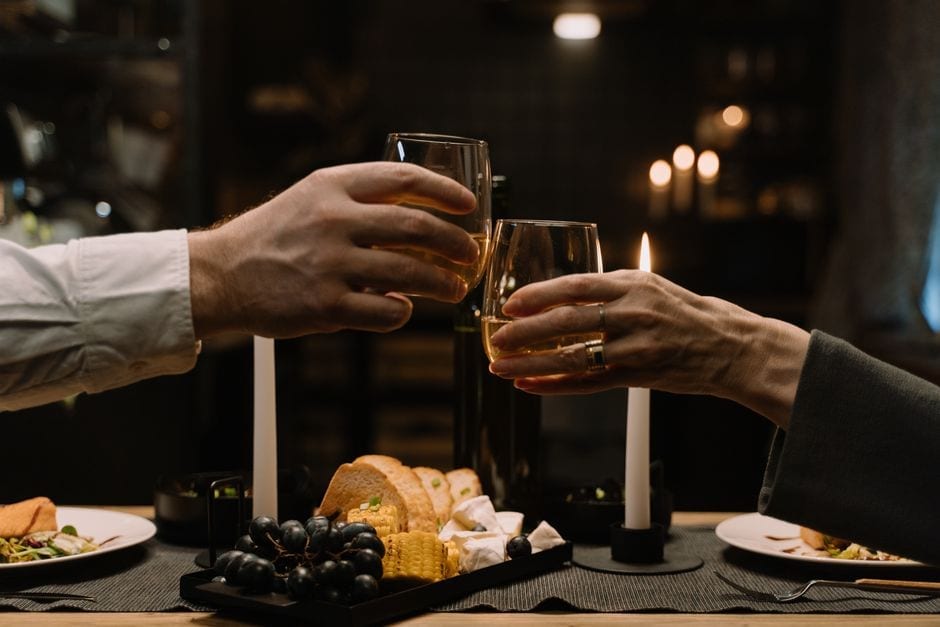
Wine food pairing has a reputation for being more complicated than it needs to be.
People hear rules about red wine with meat, white wine with fish and dozens of grape varieties they are supposed to memorize before dinner even arrives.
In reality, the most useful approach is much simpler: match the intensity of the wine to the intensity of the food, then pay attention to acidity, sweetness, salt, spice and sauce.
That basic framework works whether you are cooking at home, ordering dinner in Lancaster or Palmdale, or enjoying a bottle from an Antelope Valley wine producer.
Start with weight and intensity.
A delicate dish such as simply prepared white fish, a light salad or mild pasta can disappear beside a powerful, tannic red.
Likewise, a subtle white wine may taste thin next to smoked brisket, a peppery steak or a deeply reduced meat sauce.
Light food generally likes light wine, while bold food can handle bold wine.
That single idea solves more pairing problems than a long list of rigid rules.
Acidity is the next useful tool.
Bright, acidic wines can refresh the palate when food is rich, fatty or creamy.
Think about how a squeeze of lemon wakes up fried fish or how a pickle cuts through a burger, because wine acidity can do something similar.
A crisp Sauvignon Blanc, sparkling wine or other high-acid bottle can be useful with fried foods, goat cheese, salads and many seafood dishes.
Tomato-based pasta and pizza also benefit from wines with enough acidity to stand beside the sauce instead of tasting flat.
Spicy food needs a different strategy.
High alcohol and heavy tannins can make chile heat feel more aggressive, which is why slightly sweet or fruit-forward wines often work better with spicy Thai, Mexican or Cajun dishes.
Off-dry Riesling, some rosés and fruity whites can soften heat while keeping the meal lively.
If the dish is smoky rather than fiery, a juicy red with moderate tannin can be a better fit.
The sauce may matter more than the protein.
Chicken can be paired with very different wines depending on whether it is grilled with herbs, covered in cream sauce, glazed with barbecue sauce or cooked in chile verde.
The same is true for beef, pork and seafood.
Instead of asking only what meat is on the plate, ask what flavor dominates the bite.
A mushroom sauce might point toward an earthy Pinot Noir, while a sweet barbecue glaze may call for something fruitier and softer.
Salt and fat are wine's friends.
Salty foods can make wine taste more generous, while fat can soften the perception of tannin in red wines.
That is one reason steak and Cabernet Sauvignon remain a classic combination, and it is also why cheese can make a structured wine seem smoother.
For burgers, barbecue and hearty Italian food, look for wines with enough body to stay present through the meal.
For Mediterranean food built around olive oil, lemon, herbs and grilled meats, medium-bodied reds, rosé and bright whites can all work depending on the dish.
Do not feel obligated to open multiple bottles.
A versatile wine that works reasonably well across the table is often better than turning dinner into a technical exercise.
Dry rosé, sparkling wine, Pinot Noir and balanced Chardonnay can each cover a surprising range of foods.
If several people are ordering different entrées, choose something flexible instead of chasing a perfect match for every plate.
Personal preference still wins.
If you love Cabernet with salmon or sparkling wine with a burger, there is no restaurant rule that should stop you.
Pairing is supposed to make dinner more enjoyable, not turn the table into an exam.
The easiest way to improve is to taste the wine before a bite, taste it again after the food, and notice whether the combination makes either one better or worse.
Over time, those small comparisons teach you more than memorized charts.
For Antelope Valley diners, that means the next restaurant meal or winery visit can become a low-pressure experiment.
Pick a bottle, pay attention to balance, and let your own palate decide whether the pairing works.
Explore More Read the source that inspired this AVLBR original
Explore Antelope Valley restaurants in the AV Local Bites Review directory
Restaurant and food-truck owners: add or claim your free listing |
0 Comments
Join the conversation
Be the first to comment
Share your thoughts above.