

Space Station Food Rules Fascinate Antelope Valley Aerospace Fans |
Astronaut food limits explain why salt, bread, soda and astronaut ice cream stay off the menu in orbit |
Space station food sounds like a world of freeze-dried novelty, but the rules behind the menu are stricter and stranger than most people expect.
For Antelope Valley readers who grew up around Edwards Air Force Base, Air Force Plant 42 in Palmdale and NASA's Armstrong Flight Research Center, the topic feels almost like local history.
Most of what astronauts eat is dehydrated, dried, irradiated or heat-treated so it lasts.
Hardy fresh produce gets eaten within the first couple of days, and the pantry leans on items that do not spoil quickly, such as nuts.
Even then, plenty of foods that seem perfect for storage are still off the menu.
The reasons come down to microgravity, delicate equipment and the human body.
Start with the crumbs.
Anything that sheds particles can drift into eyes, lungs, vents and electronics.
That is why ordinary bread is out, along with crispy cookies, chips and crackers.
Tortillas became the stand-in decades ago because they last, take little space and leave very few crumbs.
They can wrap everything from peanut butter to space-ready cheeseburgers.
Seasonings face the same problem.
Loose salt and ground pepper would scatter through the cabin, so astronauts use salt dissolved in water and pepper mixed into oil instead.
Standard condiments such as mayonnaise, mustard, ketchup and hot sauce are available to keep meals flavorful.
Ready-to-eat military meals look like a natural fit, but they are built for survival situations rather than daily life.
They are high in salt and fat, and heavy sodium works against bone density, which astronauts already have to protect in weightlessness.
Alcohol is banned for a more technical reason.
The station's life support system filters air and recycles wastewater and urine into drinkable water, and ethanol can throw that process off.
Soda and seltzer fail for a messier reason.
In low gravity, carbon dioxide does not separate from the liquid the way it does on Earth, so drinkers swallow extra bubbles and end up with a wet, uncomfortable burp.
There is a loophole for crunchy snacks, and it comes down to a single bite.
Foods that can be eaten whole, with almost no crumbs, can qualify.
Sandwich cookies, trail mix, dried fruit, Goldfish crackers, candy-coated chocolates, gum, hard candies, gummy worms and Rice Krispies Treats have all been permitted, along with small corn chips in an oil-based seasoning packed in protective canisters.
Then comes the surprise.
Astronaut ice cream, the chalky treat sold in museum gift shops, is not a staple of real missions.
It is crumbly, and it was created in the mid-1970s mainly to appeal to museum visitors.
Real ice cream sometimes hitches a ride on resupply flights that carry freezers, a welcome treat for homesick crews.
The larger lesson is that food in space is engineered around risk, not just taste.
Every crumb, grain and bubble has to be accounted for, and the packaging may look familiar even when the contents are specially designed for astronauts.
You can bring the idea home with a space-themed dinner night built on tortilla wraps, dried fruit and trail mix.
Kids will enjoy it, and you can explain why none of it would be allowed to crumble.
Aerospace-minded families can pair the meal with a visit to one of the valley's aviation museums or airparks, so check opening hours before you go.
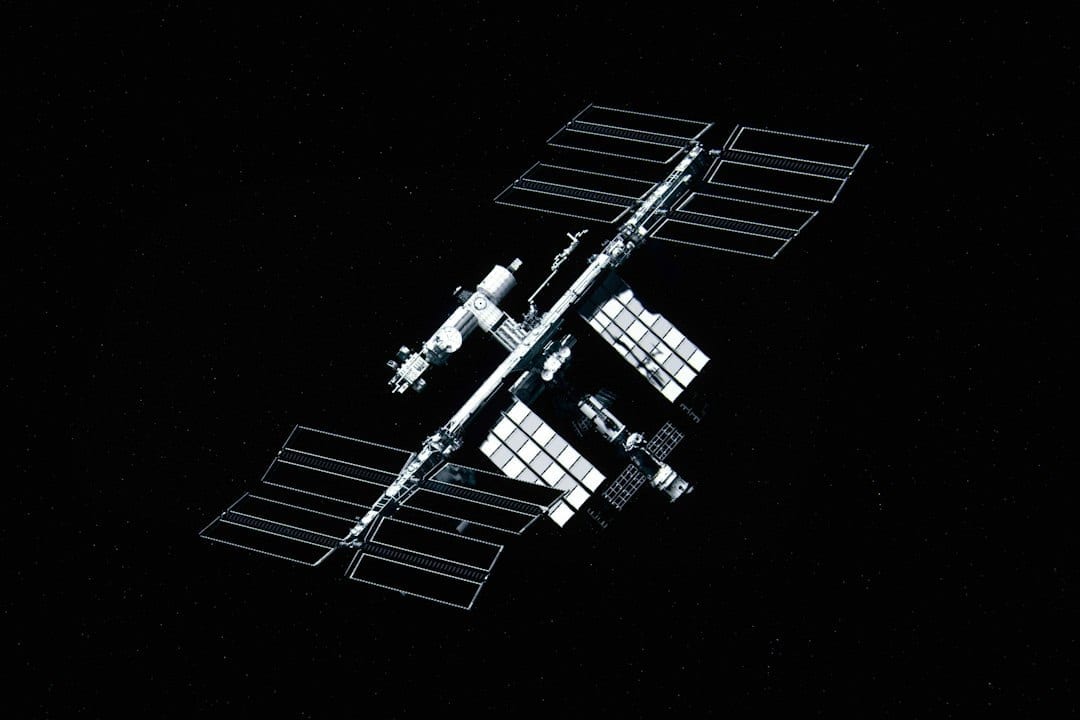
Illustrative photo by Norbert Kowalczyk on Unsplash. |
0 Comments
Join the conversation
Be the first to comment
Share your thoughts above.